Praktijk- en werkbegeleiding: van houtje-touwtje naar een gestructureerde aanpak
2021 · ArticlePractice and work supervision in healthcare, from improvisation to a methodical approach.


The Performance Consultant AI: how a training request leads to a grounded decision about performance.
A Value-Driven Approach to Mandatory Learning
A Future-Proof Framework for Corporate L&D
The Architecture for the Future of Corporate Learning

Two doors, three analyses, five questions, and the map of the whole series.

The discipline in full: its history, its four traditions and the ten standards.

Where the measured evidence points, and why the person comes last in a cause analysis.
From the series Is AI the bicycle of the mind: performance augmentation in corporate e-learning, beyond the course.
From the series Is AI the bicycle of the mind: performance support powered by AI, the answer at the moment of need.
From the series Is AI the bicycle of the mind: learning in the flow of work, with AI as support at the moment of need.
From the series Is AI the bicycle of the mind: AI-driven skills and competency development, and where people stay in charge.
This article focuses on AI and L&D, exploring how AI tools empower the crafting of evidence-informed learning experiences.
From the series Is AI the bicycle of the mind: the role of L&D in developing competencies, without and with AI.
From the series Is AI the bicycle of the mind: how AI augments human capabilities in the work, and what that asks of L&D.
Content generation with an AI-driven chatbot?

Looking for opportunities to expand L&D's services with informal learning and business impact?
Working from home let our loose contacts, our “weak ties”, evaporate.
Practice and work supervision in healthcare, from improvisation to a methodical approach.

Society is, as it were, "on hold." In many cases, this also applies to L&D.
Generally, L&D professionals ask themselves the question: "How can I deliver services as quickly as possible in accordance with the wishes of the customer?" On the other hand, others ask a more fundamental question: "Does the service actually work?" To determine the effectiveness of any service, the

Teaching professionals to work with a new EHR or client record, without endless classroom training.

A well-founded rebuttal to the “sense and nonsense” debate around 70:20:10.

How the Jeroen Bosch Academie got 4,000 professionals ready for a new EHR.

From the same EHR case: the detective phase and safeguarding the 70:20:10 principles.

Introduces the 70:20:10 reference model as a practical methodology for connecting working, learning and performing.
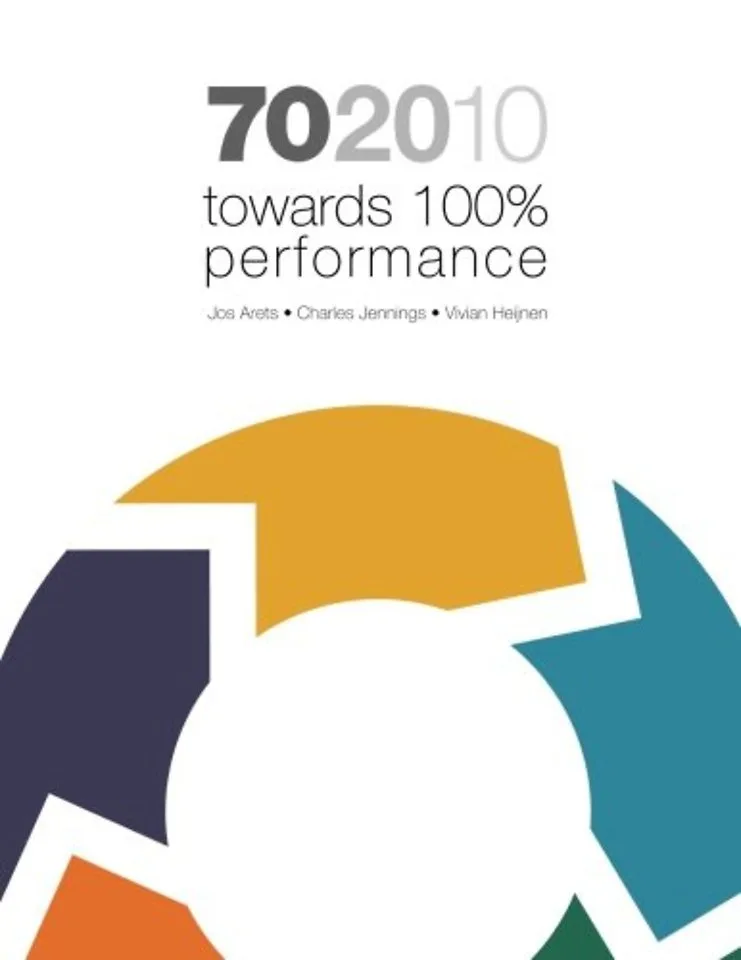
The English-language edition of the 70:20:10 standard work, aimed at an international L&D audience.

A revised, concise edition of the HPI handbook.

Clark Quinn on evidence-informed design and the future of learning and performance in organizations.
Performance support within 70:20:10: learning at the moment the work calls for it.

Jay Cross, founding father of the thinking on informal learning and the workscape.

How social media change learning, sharing and collaboration, and what that means for L&D.
An innovative learning landscape, with a clear business case as its foundation.
A provocative case for the limits, and the underrated power, of informal learning in the workplace.

A hundred accelerators to help team members work together at their best.
The counterpart: why formal learning alone falls short in organizations that want to improve.
Learning as an investment with measurable returns, the foundation beneath everything Tulser does.

Twenty costly misunderstandings about employee development and eighty solutions, in a hundred short pieces.
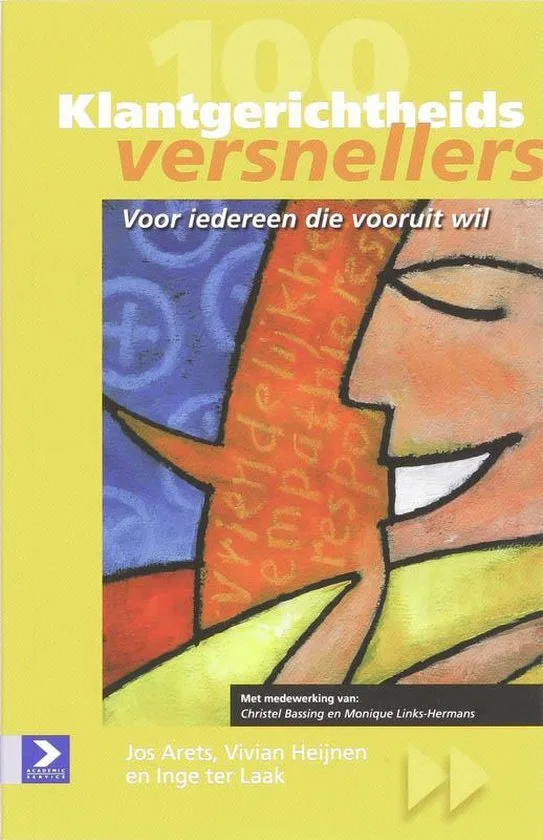
A hundred accelerators to increase the customer focus of people and organizations.
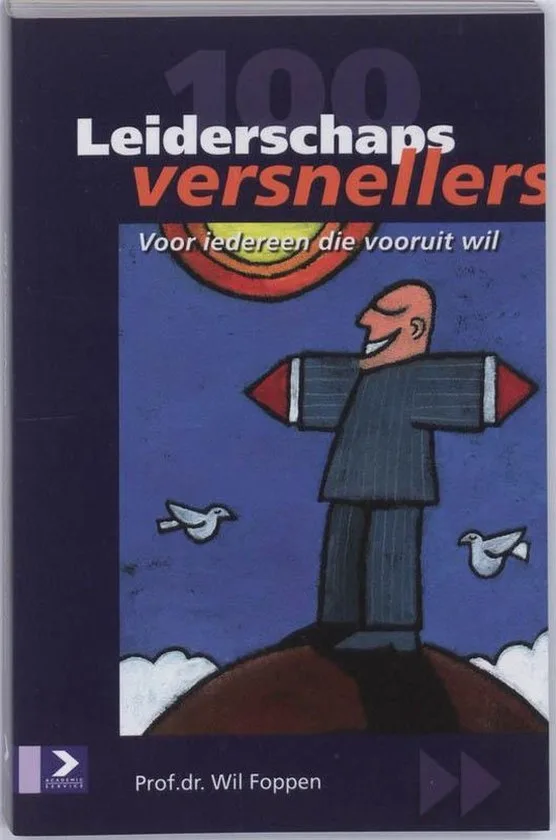
A hundred accelerators built on leadership competences, for performing more effectively as a leader.
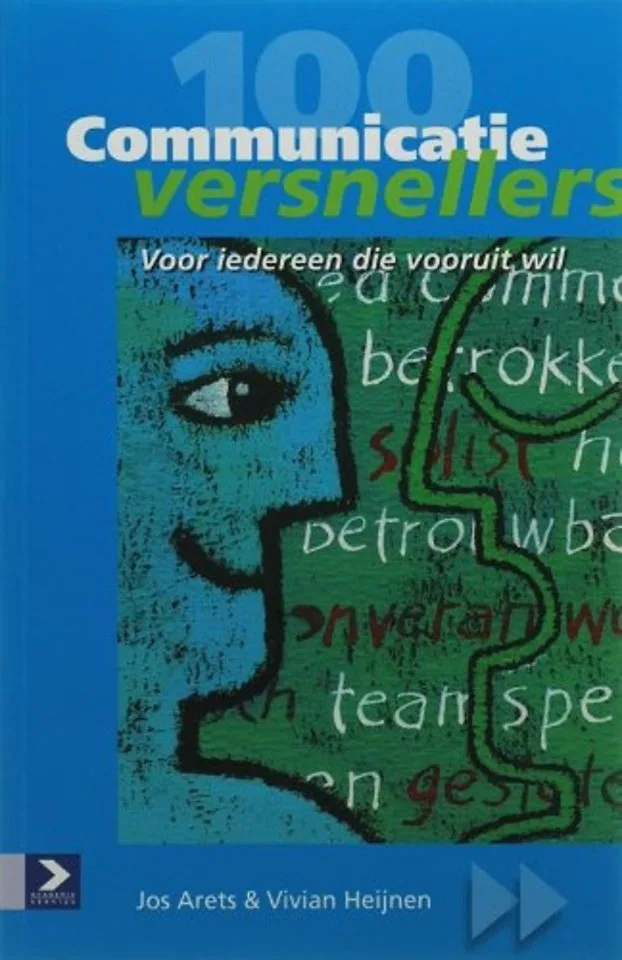
Communication theory in a hundred manageable items: short texts, checklists, quotes and tips.
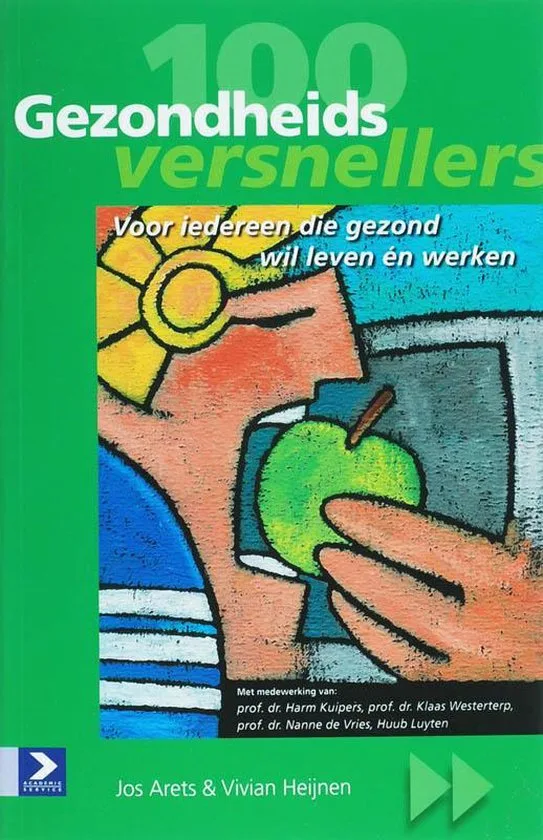
A hundred practical accelerators for living and working more healthily.
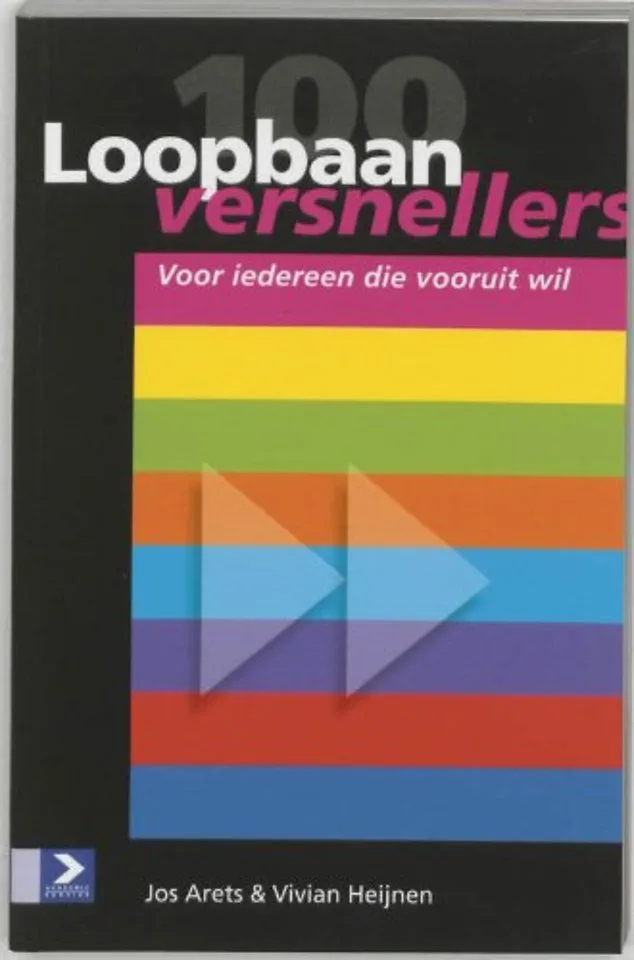
A hundred accelerators to bring out your best and choose a fitting career.
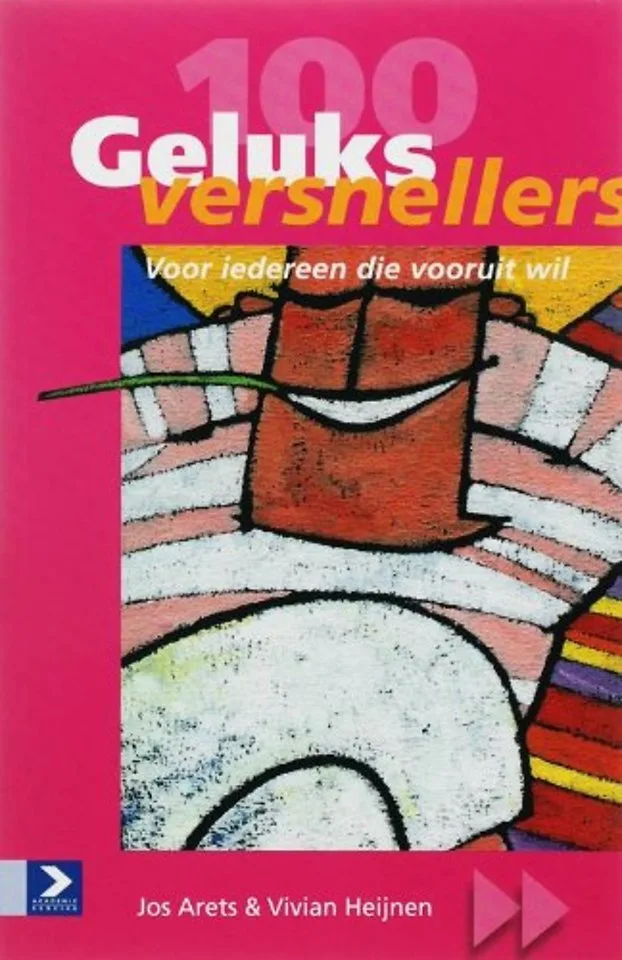
About happiness as an engine for health, job satisfaction and a more pleasant life.
The first Dutch book to work out Human Performance Improvement concretely, with Dutch practical examples.
A workbook around the Personal Development Plan, for steering your own career and competences.
Four business models with which the L&D function reinvents itself around the 70:20:10 philosophy.
No items in this category.